
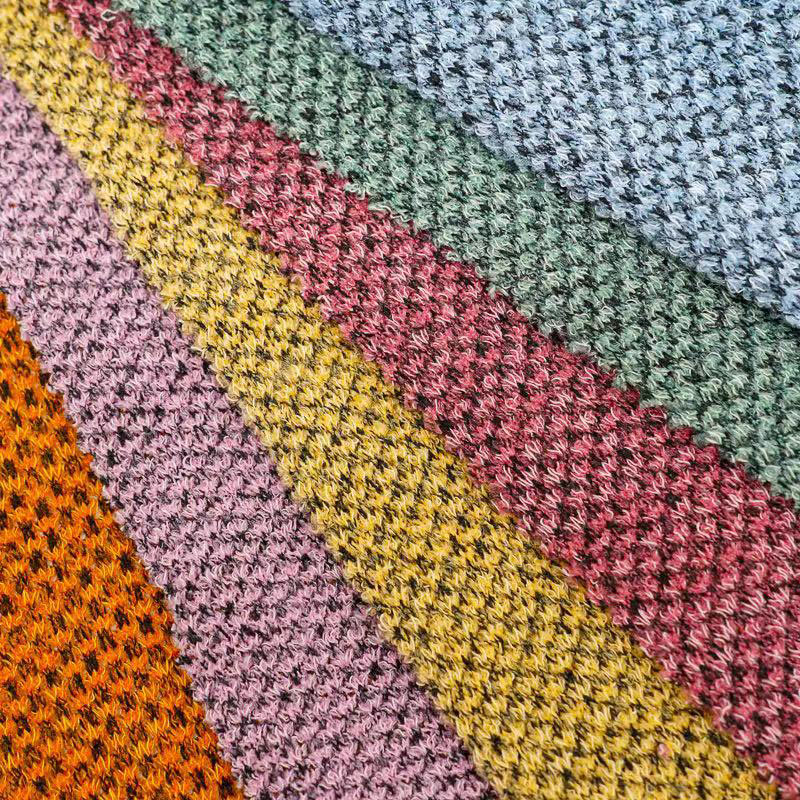
In the dynamic world of textiles, polyester and nylon are two of the most widely used synthetic fibers. Both materials have gained immense popularity due to their unique properties and versatility, making them essential in various industries, from fashion to industrial applications. To better understand their characteristics, advantages, and ideal uses, it’s important to delve into a detailed comparison of polyester and nylon. This insight is particularly valuable for businesses and consumers looking to make informed decisions about fabric selection.
Shaoxing Qihui Import and Export Co., Ltd., a reputable knitted fabric sales company, is uniquely positioned to offer a diverse range of fabric styles. As a source factory, Shaoxing Qihui Import and Export Co., Ltd. seamlessly integrates raw material procurement, production, and dyeing processes. This comprehensive approach enables the company to supply high-quality polyester and nylon fabrics that cater to varied client needs.
### Origins and Composition
Polyester is a category of polymers primarily sourced from petroleum. The most common type, polyethylene terephthalate (PET), is widely used in clothing, home furnishings, and industrial fibers. Nylon, discovered earlier in the 1930s, was the first synthetic fiber made commercially available. Composed mainly of polyamides, nylon is renowned for its significant strength and elasticity.
### Physical Properties Comparison
When it comes to durability, both polyester and nylon exhibit strength that surpasses many natural fibers. However, nylon is generally regarded as being stronger and more elastic than polyester, making it ideal for applications where a high degree of stretch and resilience is necessary. Polyester’s fibers are resistant to shrinking and wrinkling, which makes it prized for maintaining shape after washing and wear.
Moisture absorption is another key differentiator. Nylon has a higher moisture absorbency rate than polyester, which means it can retain slightly more water. This trait can be advantageous for comfort in activewear but may cause slower drying times. Polyester’s moisture-wicking properties enable it to dry faster and keep wearers feeling dry, attributes desirable in sports apparel.
### Usage and Application
Polyester’s versatility allows it to be used in a wide range of fabrics, including taffeta, fleece, and satin. It is prominent in fields where durability, affordable production, and ease of maintenance are prioritized. Nylon’s superior elasticity and abrasion resistance make it ideal for heavy-duty applications, such as hosiery, parachutes, and high-performance outerwear.
For those in the textile industry, choosing between polyester and nylon is often dictated by the end product’s intended use. For example, in the production of athletic wear, polyester’s moisture management properties might be preferred. Conversely, in products requiring higher resilience and durability, nylon may be the better option.
### Environmental Impact Considerations
The environmental footprint of synthetic fibers is a growing concern. Both polyester and nylon are petroleum-based products, leading to similar environmental challenges in terms of raw material extraction and production emissions. However, advancements have been made to produce recycled versions of these fibers. Companies like Shaoxing Qihui Import and Export Co., Ltd. recognize the importance of sustainable practices and are increasingly incorporating environmentally responsible methods into their production line.
### Shaoxing Qihui Import and Export Co., Ltd.’s Role in the Fabric Market
Shaoxing Qihui Import and Export Co., Ltd. stands out as a key player in the knitted fabric market by offering comprehensive solutions from sourcing raw materials to finished, dyed fabrics. Their unique position as a source factory allows them to maintain strict control over fabric quality while providing competitive pricing. The company’s range includes both polyester and nylon fabrics, tailored to meet the specific demands of clients in fashion, sportswear, and industrial sectors.
By integrating production and dyeing processes, Shaoxing Qihui Import and Export Co., Ltd. ensures vibrant color retention and consistent fabric quality. Their commitment to innovation and customer satisfaction solidifies their reputation as a trusted supplier in the textile industry.
### Future Trends in Polyester and Nylon Fabrics
Looking ahead, the demand for high-performance, sustainable fibers is expected to rise. The development of bio-based polyesters and nylons derived from renewable resources may significantly alter the landscape of synthetic fabrics. Additionally, increased consumer awareness regarding environmental impact will likely push manufacturers to innovate further in recycling and eco-friendly production techniques.
Companies with an integrated production model, like Shaoxing Qihui Import and Export Co., Ltd., are well-positioned to adapt to these trends. Their ability to control sourcing and manufacturing processes will enable them to introduce sustainable fabric options without compromising on quality or price competitiveness.
### Conclusion
The choice between polyester and nylon ultimately depends on specific fabric requirements such as strength, elasticity, moisture management, and durability. Polyester is favored for its resilience, ease of care, and moisture-wicking capabilities, whereas nylon excels in strength, elasticity, and abrasion resistance.
Shaoxing Qihui Import and Export Co., Ltd.’s strong focus on providing diverse knitted fabric styles, backed by their integrated factory system, ensures their clients receive fabrics tailored to their precise needs. Their expertise and resourceful production chain position them as a key source for high-quality polyester and nylon fabrics in the competitive textile market.
As synthetic fibers continue to evolve, understanding their distinct advantages and potential applications will remain critical for manufacturers, designers, and end consumers alike. With leaders like Shaoxing Qihui Import and Export Co., Ltd. driving forward both quality and sustainability, the future of polyester and nylon fabrics looks promising and adaptable to changing market demands.