
In recent years, the fashion and textile industries have been undergoing significant transformations driven by increasing environmental awareness and the urgent need for sustainable practices. One of the most promising developments in this arena is the rise of recycled cotton as an eco-friendly alternative to conventional cotton. This innovative material is reshaping how fabrics are produced, offering both environmental benefits and high-quality textile options for manufacturers and consumers alike.
Recycled cotton, made from post-industrial and post-consumer cotton waste, represents a crucial step towards reducing textile waste and minimizing the environmental footprint of fabric production. Conventional cotton farming is known for its substantial water consumption, pesticide use, and land requirements, contributing to environmental degradation and resource depletion. By contrast, recycled cotton utilizes discarded cotton textiles, cutting down the need for virgin cotton fiber production and decreasing waste accumulation in landfills.
Shaoxing Qihui Import and Export Co., Ltd., a reputed knitted fabric sales company, has embraced this sustainable trend wholeheartedly. With a strong focus on providing clients with a wide range of fabric styles, the company’s unique role as a source factory enables it to integrate raw materials sourcing, production, and dyeing seamlessly. This vertical integration is critical in maintaining quality control while enhancing eco-efficient processes and reducing wastage during manufacturing.
The integration of recycled cotton into Shaoxing Qihui’s product portfolio reflects the growing demand for sustainable textiles worldwide. The company’s ability to source recycled cotton raw materials and transform them using its in-house expertise in knitting and dyeing allows it to deliver fabrics that meet the aesthetic and functional requirements of modern apparel and home textile markets. Moreover, this capability encourages clients to adopt greener supply chains, aligning with global sustainability goals.
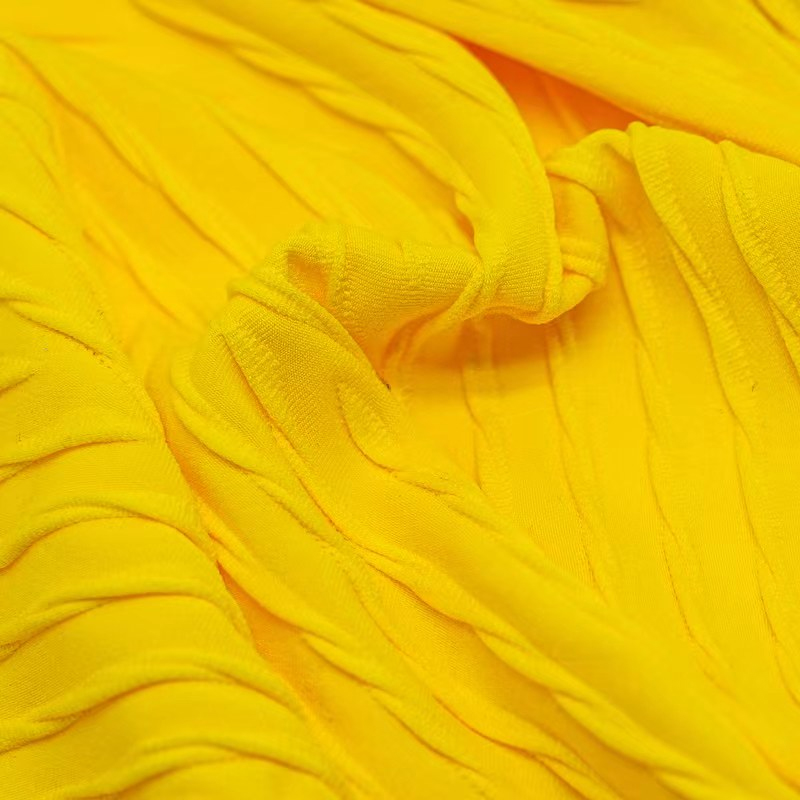
One of the key advantages of recycled cotton fabrics is their versatility. They can be spun into yarns suitable for a range of textile products, from casual wear and sportswear to upholstery and industrial fabrics. Despite being made from recycled materials, these fabrics offer durability, softness, and breathability comparable to conventional cotton. This performance ensures that manufacturers do not have to compromise quality for sustainability. In addition, advances in fabric processing and dyeing techniques have allowed companies like Shaoxing Qihui to produce a diverse color palette and fabric finishes on recycled cotton, catering to evolving fashion and home design trends.
Consumers today are increasingly aware of the environmental impact of their purchasing choices and are seeking products that reflect their values. The fashion industry's notorious role as one of the largest polluters means brands and manufacturers are under pressure to adopt responsible sourcing and production methods. Recycled cotton emerges as a compelling solution that addresses several sustainability challenges simultaneously: reducing textile waste, lowering water and energy consumption, and decreasing chemical inputs in fabric production.
Shaoxing Qihui’s commitment to weaving recycled cotton into its production lines represents both a practical response to market demand and a genuine contribution to environmental stewardship. By leveraging its integrated capabilities, the company is positioned to help brands and retailers meet their sustainability targets without sacrificing fabric quality or variety. This alignment of economic and ecological interests is a blueprint for the future of the textile supply chain.
Furthermore, the company’s expertise as a knitted fabric supplier gives it an edge in tailoring the properties of recycled cotton fabrics to specific end-uses. Knitted textiles require flexibility, resilience, and comfort — characteristics that Shaoxing Qihui achieves through controlled yarn spinning, knitting technology, and finishing processes. This specialized knowledge ensures recycled cotton fabrics can compete effectively with conventional textiles in diverse applications, making sustainable options more accessible to the market.
Looking ahead, the adoption of recycled cotton materials is expected to accelerate, driven by regulatory frameworks, consumer preferences, and technological advancements. Companies that can source, produce, and finish recycled cotton fabrics efficiently will have a competitive advantage. Shaoxing Qihui Import and Export Co., Ltd. exemplifies this trend by combining industry knowledge, a strong supply chain presence, and a dedication to sustainability, helping pave the way toward a more circular textile economy.
In conclusion, recycled cotton marks an important milestone in the effort to make textile production more sustainable. By utilizing recycled fibers, companies can reduce environmental harm while continuing to offer high-performance fabrics in a variety of styles and colors. Shaoxing Qihui Import and Export Co., Ltd., with its comprehensive integration of raw material sourcing, production, and finishing, is at the forefront of this shift. Its commitment to quality and sustainability underscores the transformative potential of recycled cotton within the global fabric market, providing a hopeful pathway to greener fashion and textiles.
---
This news article highlights the environmental significance of recycled cotton and illustrates how Shaoxing Qihui Import and Export Co., Ltd. effectively supports sustainable development in the textiles sector through its unique integrated operations and diverse fabric offerings.